15 Days / 14 Nights
15-Day Grand Kenya & Tanzania Safari
Six wildlife areas across Kenya and Tanzania, from Amboseli to the Serengeti's Mara River, finishing on Zanzibar. The complete private safari, done properly.
Home to Africa’s Most Famous Safari Destinations & Experiences
Explore TanzaniaTwo Countries, One Uninterrupted Wilderness
Explore Kenya & Tanzania
Canoe Safari
Arusha National Park · Half day / 3–4 hours
Hadzabe & Datoga Cultural Tour
Lake Eyasi · Half day / 4–5 hours (best scheduled as a full morning)
Hot Air Balloon Safari
Serengeti · Half day / 3–4 hours (approx. 1 hour in flight)
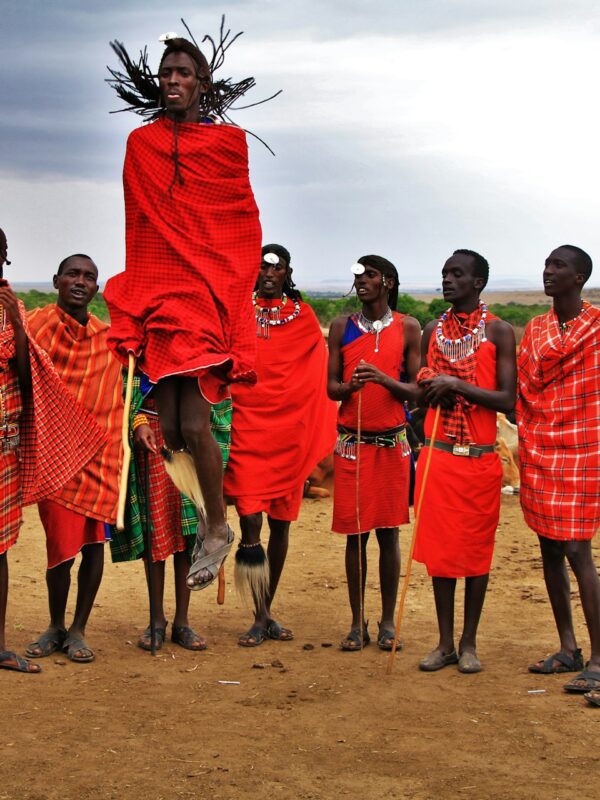
Maasai Village Visit (Boma Visit)
Ngorongoro / Arusha · 1.5–2 hours
Night Game Drive
Grumeti Concession · 2–3 hours (typically 7:00pm–9:30pm)
Your own vehicle, positioned for the light. Unhurried game drives timed for dawn and dusk, with a Tanzanian guide who understands what a photographer needs.
A photographic safari in Tanzania works best in a private vehicle, because photography rewards patience. Your guide positions you for the light and the background, switches off the engine at the right moment, and waits as long as the scene needs, with no group asking to move on.
We plan routes and camps around the best light and the season's wildlife: calving and cheetah on the southern plains early in the year, river crossings in the north from July, elephants in Tarangire's golden dust in the dry season. Days start before sunrise and end after sunset, with rest in the harsh midday light.
There is room in the vehicle for your equipment, and you never share a window. Beginners and professionals are equally welcome; the safari is shaped around what you want to photograph.
Space for your equipment and the freedom to wait for the shot.
Early starts and late returns, with rest in the middle of the day.
Positioning for light, background and behaviour, not just the sighting.
Tell us what you want to photograph; we choose the month and the parks.
The subject decides the month. These are the scenes photographers come back for.
| Subject | Where | Best months | Why it photographs well |
|---|---|---|---|
| Calving and predators | Ndutu and the southern Serengeti | January – March | Newborns, cheetah and lion on open short-grass plains with clean backgrounds |
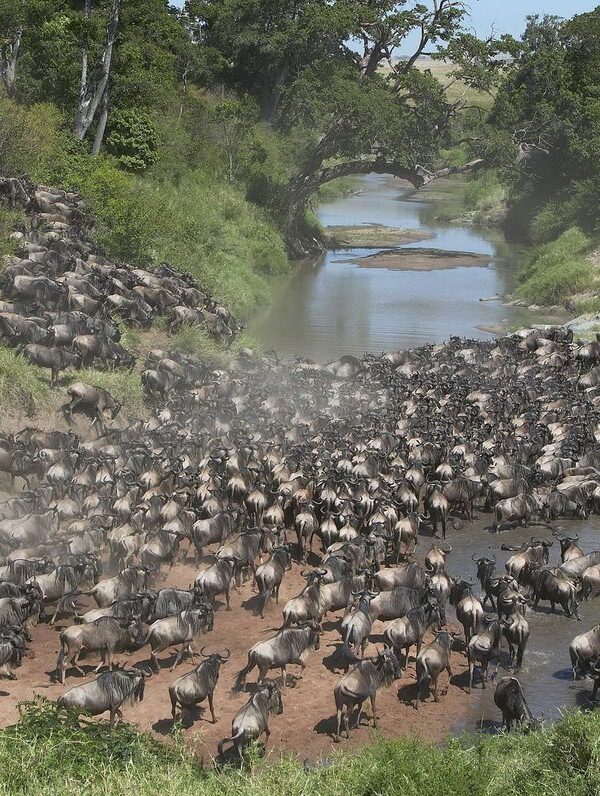
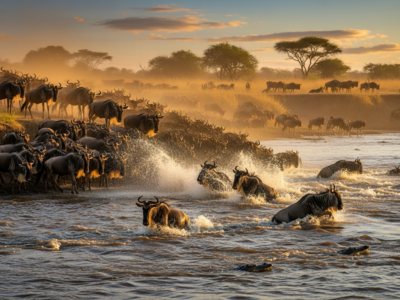
| River crossings | Mara River, northern Serengeti | July – October | Action, dust and spray, rewarded by long waits at the bank |
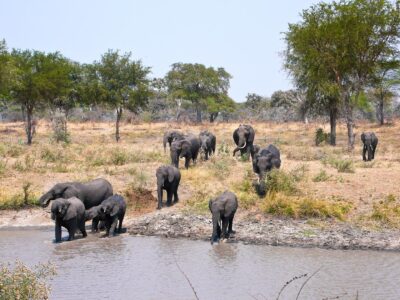
| Elephants and baobabs | Tarangire | June – October | Golden dust, low light and giant trees as a backdrop |
| Black rhino and the crater | Ngorongoro Crater | Year-round, early morning | Mist on the crater floor at first light |
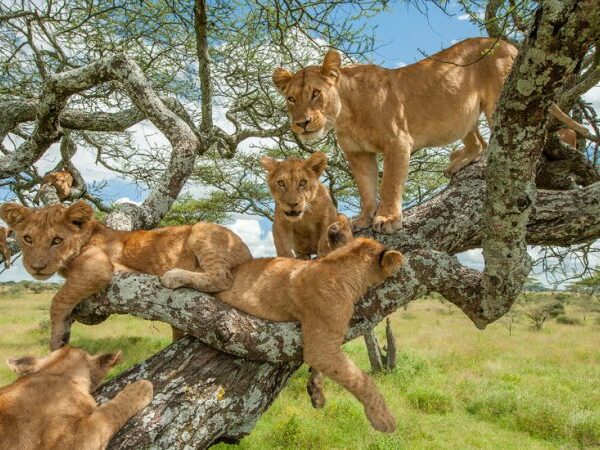
| Big cats on kopjes | Central Serengeti | Year-round | Granite outcrops lift lions and leopards into clean compositions |
| Storm skies and green plains | Across the Serengeti | November – May | Dramatic clouds, clear air and far fewer vehicles |
Wildlife and light vary from season to season. We plan your route around what you most want to photograph.
15 Days / 14 Nights
Six wildlife areas across Kenya and Tanzania, from Amboseli to the Serengeti's Mara River, finishing on Zanzibar. The complete private safari, done properly.
12 Days / 11 Nights
Amboseli's elephants, the Hadzabe near Lake Eyasi, and the Mara's Migration: a 12-day private Kenya and Tanzania safari built around wildlife and culture.
3 Days / 2 Nights
This fast-paced, high-reward 3-day safari is the absolute best choice for travelers with limited time
4 Days / 3 Nights
This 4-day “Big Three” safari is the most popular short-duration tour in Tanzania.
8 days / 7 nights
Witness one of nature’s greatest events, where over 8,000 wildebeest calves are born daily
5 Days / 4 Nights
Expect the pinnacle of African wildlife drama on this 5-day Northern Serengeti fly-in safari.
It depends on your subject. January to March brings calving, predators and dramatic skies in the southern Serengeti. July to October brings the Mara River crossings and dry-season dust. November to May brings green landscapes and fewer vehicles. Tell us what you want to photograph and we will suggest the month.
A long lens for wildlife (a 100–400 mm or longer) and a wider lens for landscapes and camp. Two camera bodies save changing lenses in the dust. Bring plenty of memory cards and batteries; most camps charge batteries in camp.
Your vehicle has a pop-up roof for shooting while standing and a window seat for everyone, because no one else shares it. Your guide switches off the engine for steady shots and positions the vehicle for the light.
Yes. Light aircraft usually allow around 15 kg per person in soft-sided bags, including camera equipment. We confirm the exact limit for your flights, and can arrange an extra seat for heavier camera bags.
No. Many guests are keen amateurs. Your guide will help with positioning and timing whatever camera you use, including a phone.
Our private photographic safaris start from $1,655 per person. The final price depends on the season, the camps you choose and how many of you travel together, and every quote is itemised. Our guide How Much Does a Tanzania Safari Cost? explains each part.
Tell us who is travelling, roughly when, and what you hope to see. A specialist in Arusha replies personally, usually within a day.
It's in Arusha A specialist replies personally, usually within a day
Where you would like to go, roughly when, and who is travelling. A specialist in Arusha replies personally, usually within a day.