


How Much Does a Private Safari in Tanzania Cost?
A private safari in Tanzania typically costs between US$ 450 and US$ 1,500 per person per day in 2027, depending on where you stay, when you travel and how you move between parks. Mid-range lodges and tented camps sit at roughly US$ 450 to US$ 800 per person per day. Luxury camps with exclusive vehicles, private […]
 By admin
November 13, 2026
9 min read
A private safari in Tanzania typically costs between US$ 450 and US$ 1,500 per person per day in 2027, depending on where you stay, when you travel and how you move between parks. Mid-range lodges and tented camps sit at roughly US$ 450 to US$ 800 per person per day. Luxury camps with exclusive vehicles, private airstrip transfers and prime migration positions run from about US$ 800 to US$ 1,500 or more. For a seven-night itinerary, that puts most private trips between US$ 3,500 and US$ 10,500 per person.
Those are wide ranges because a Tanzania safari is not a fixed product. A family of four on a 2-week trip in the Serengeti’s central plains and a couple tracking the Mara River crossings from a seasonal camp are buying very different things, and the price reflects it. This guide shows where the money goes, what separates a fair quote from a thin one, and what realistic budgets look like for families, couples and luxury travellers.
What does private safari actually mean?
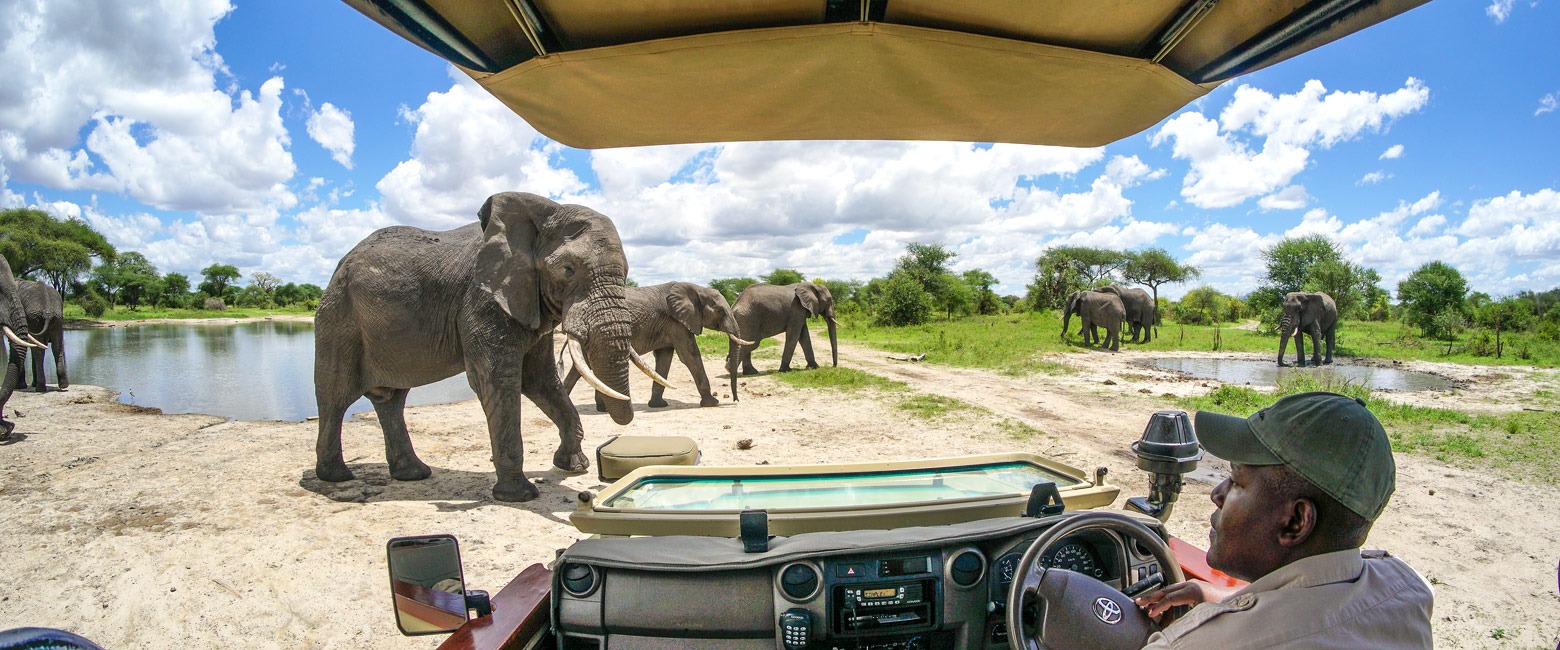
On a private safari, the vehicle, the guide and the schedule belong to you alone. You decide whether to leave camp at dawn for a lion kill or linger over breakfast while a leopard sleeps in a tree beside the lodge. Nobody else’s flight, appetite or patience shapes your day.
Private is not the same as exclusive use of a camp, which is a separate and more expensive arrangement. Most private safaris share lodge facilities with other guests, while the game drives stay yours entirely. For couples, private is more than joining a shared departure. For families of four, the gap narrows, because the cost of the vehicle and guide is divided across more people.
Where the money goes
1. Park and conservation fees
Government fees are the highest fixed cost, and they are charged per person, per 24 hours. At the time of writing, Serengeti National Park charges non-resident adults around US$ 83 a day, including VAT, while Ngorongoro Conservation Area charges around US$ 71 per adult. Children aged 5 to 15 pay a much lower rate of roughly US24, and under-fives enter free. Descending into Ngorongoro Crater adds a service fee of about US$ 295 per vehicle, charged once per descent, however many people are inside.
Tarangire and Lake Manyara sit in a lower tier, and lodges inside park boundaries add nightly concession fees. TANAPA and the Ngorongoro authority revise these figures periodically, usually around July, so always confirm the current schedule when you book. A reputable quote itemises them rather than folding them into one number.
2. Where you sleep
Accommodation is the biggest variable. A permanent lodge on the Ngorongoro rim, a seasonal tented camp that relocates with the herds, and a small owner-run camp with six tents are priced very differently. Position matters as much as finish. A camp that sits beside the Mara River crossing points in the north from July to October costs more than one forty minutes from the action, and the time you save in the vehicle is real.
3. How you move
Driving between Tarangire, Ngorongoro and the Serengeti is scenic and cheaper, but it eats whole days on rough roads. Light aircraft between airstrips cost more, yet they return hours to the safari itself. Many private itineraries drive the first leg and fly the last.
4. Vehicle and guide
A private 4×4 with a pop-up roof, a dedicated driver-guide, fuel, and a window seat for every guest is built into the price. Guide quality is the least visible line on a quote and the one that most affects what you actually see. Experienced guides read animal behaviour, share radio information across the plains and know which tracks to take at which hour.
5. Season
High season runs from June to October, with a second peak from late December to February when wildebeest calve on the southern plains near Ndutu. Rates drop in the long rains from late March to May, when many camps close or discount. Game viewing continues in the green season, with fewer vehicles at sightings, though roads are slower and some camps are unavailable.
Sample budgets by traveller type
These are indicative ranges per person, based on high season travel with a private vehicle and guide. Exact pricing depends on dates, properties and group size.
Couple: 7 nights across Tarangire, Ngorongoro and the central Serengeti, mid to upper range lodges, one internal flight. Indicative cost: US$ 4,800 to US$ 7,000 per person. The price is shaped by lodge tier, flight versus road and travel month.
Family of four: 8 nights across Tarangire, Ngorongoro and the Serengeti, family-suited camps, children aged 8 and 11. Indicative cost: US4,200toUS6,500 per adult. Child rates vary by property, so each one is checked individually.
Luxury traveller: 9 nights including northern Serengeti during the migration, small exclusive camps and private airstrip transfers. Indicative cost: US$ 9,000 to US$ 15,000 per person. The price is shaped by camp position, exclusive vehicle and the number of bush flights.
Safari plus beach: Any of the above with 4 nights in Zanzibar added. Add US$ 1,200 to US$ 4,000 or more per person, depending on resort tier, villa versus room and transfer type.
A sample seven-night private itinerary
- Day 1, Arrive and settle in. Land at Kilimanjaro International Airport and transfer to a small lodge outside Arusha. Your guide meets you and walks through the route.
- Day 2, Tarangire National Park. Elephant herds gather along the Tarangire River in the dry months, and the park’s baobabs make it one of the best places in the north for photographs. Full-day game drive with a picnic lunch.
- Day 3, Ngorongoro Highlands. Drive to the crater rim, with an optional stop at a Maasai boma, then sunset over the caldera from your lodge terrace.
- Day 4, Ngorongoro Crater and onward to the Serengeti. Descend at first light, when black rhino and lions are most visible, then continue across the plains to the central Serengeti.
- Days 5 to 7, Serengeti. Three days with your own vehicle in the Seronera valley and surrounding plains. Choose between a dawn balloon flight, a bush breakfast and a long afternoon with the big cats.
- Day 8, Fly out. Short flight from the Serengeti to Arusha and onward connection home or to the coast.
What is usually included and what is not
Typically included
- Private 4×4 safari vehicle with a dedicated driver guide
- All park, conservation and concession fees on the itinerary
- Accommodation, meals and drinking water as specified
- Internal flights where listed
- Airport transfers and a pre-departure briefing
- Crater descent fee on private quotes
Typically not included
- International flights to Tanzania
- Visas and travel insurance
- Tips for guides and camp staff
- Premium drinks and spa treatments
- Hot air balloon flight, usually around US$600 per person
- Laundry and personal purchases
Costs that catch people out
The most common surprise is a quote that excludes park fees, crater fees or concession fees, making a trip look US$ 500 to US$ 1,000 cheaper than it is. Ask for every fee to be listed by name. Ask also whether the internal flights include luggage allowances, since light aircraft usually limit you to soft bags of around 15 kg, and whether the price covers a second vehicle if your group exceeds six.
How to lower the cost without lowering the quality
- Choose the shoulder months. Early June, November and early December often bring good game viewing at lower rates than the August peak.
- Stay longer in fewer places. Each camp change costs half a day. Three nights in one well-placed camp beats three camps in three nights.
- Mix tiers. Splurge on the Serengeti camp, then use a comfortable mid-range lodge near Ngorongoro or Tarangire.
- Skip the school holiday weeks. Family travel clusters in July, August and the last two weeks of December. A week either side changes the price noticeably.
- Skip the cheapest quote. A low price usually means a shared vehicle, a junior guide or a camp far from the action. Compare what is being offered, not only the number.
Travelling with a lighter footprint
Park fees fund anti-poaching patrols and habitat management, which is why they are not negotiable and why good operators never try to avoid them. Beyond that, we choose camps with solar power, water recycling and local hiring, and we limit group size to keep vehicle numbers at sightings low. Cultural visits are arranged through community-run programmes, so the fee goes directly to the families you meet, not to a middleman. We also ask guests to bring refillable bottles, which most camps can fill from filtered supplies.
Frequently asked questions
Is a private safari in Tanzania worth the extra cost?
For most families and couples, yes. You control timing, pace and stops, and you can stay at a sighting for as long as you like. It also lets children take breaks without affecting other guests.
What is the cheapest month for a Tanzania safari?
April and May are usually the lowest priced, during the long rains. Game is still present, though some camps close and roads can be slow.
How many days do I need for a private Tanzania safari?
Seven to nine nights lets you see Tarangire, Ngorongoro and the Serengeti without rushing. Five nights is possible if you fly between parks.
Are children welcome on a private safari?
Yes. Many camps accept children from age 6, some from age 3, and a private vehicle means you can adjust drive lengths to suit them. Some properties and activities set minimum ages, which we check for you.
Is it cheaper to book directly with a Tanzanian operator?
Often yes, because a local operator pays suppliers directly without an overseas intermediary taking a margin. It also means the person planning your trip knows the guides and camps personally.
Can I add a beach stay to a safari?
Yes. Zanzibar is the most common choice, with flights from the Serengeti arranged through Arusha or Dar es Salaam. See our guide to combining the two.
Plan your private safari
Tell us when you want to travel, who is coming and what you most want to see, and Exclusive Wilderness Trails will build a private itinerary with every fee itemised. Request your tailored quote today.