

How Many Days Do You Need for a Tanzania Safari?
Seven days for a first safari, ten to follow the migration, and what changes when you have less or more time.
 By admin
8 min read
For a first safari in northern Tanzania, plan on seven days at the very least, and ten if you can. Seven days cover Tarangire, the Ngorongoro Crater and two full days in the Serengeti without the drives taking over. Ten lets you follow the Great Migration to wherever the herds are that month, or add a second, quieter corner of the Serengeti.
Shorter is possible. Longer is better. Below we set out what each length of safari really covers, using the drive and flight times our guides work with every week.
Tanzania safari length at a glance
| Days on safari | What it covers | Pace | Best for |
|---|---|---|---|
| 3–4 days | Ngorongoro Crater plus one park, or a short flight into the Serengeti | Full days, little time to linger | Adding a safari to a Kilimanjaro climb or a Zanzibar stay |
| 5–6 days | Tarangire, the Crater and a first taste of the Serengeti | Steady, with one or two long road days | Travellers short on leave |
| 7–8 days | The full northern circuit, with two or three nights in the Serengeti | Unhurried | Most first safaris, and most families |
| 9–10 days | The northern circuit plus a second Serengeti area to follow the migration | Room for slow mornings and long sightings | The Great Migration, photographers, honeymooners |
| 12–14 days | Safari plus Zanzibar, Kenya’s Masai Mara, or southern Tanzania | Two trips in one | A once-in-a-lifetime journey |
Why seven days is the sensible minimum
Tanzania’s northern parks sit a long way apart, and the roads between them are part of the journey. From Arusha it is about 2 hours and 109 km to Tarangire. From the Ngorongoro Crater to the Seronera area of the central Serengeti, it is about 140 km and roughly 3 hours, before you stop for a single animal.
The Serengeti itself is vast: 1.5 million hectares of savannah, home to some two million wildebeest for much of the year. Driving from the central Serengeti to the north takes about 5 hours for 154 km. That is why we fly guests to the northern plains when the river crossings are on.
So every park you add costs part of a day in transit. With seven days, the transit stays in its place: you arrive at camp in time for an afternoon drive, and the best hours of each day belong to the wildlife. With five, at least two of your days are mostly road.
Three to five days: short, but it can work
A short safari works when it does one thing well. Our 3-day Serengeti & Ngorongoro Crater Safari and 4-day Signature Tanzania Safari are built for exactly that, often after a Kilimanjaro climb or before a few days on the coast.
On a trip this short, flying is what makes the Serengeti possible. Scheduled light aircraft leave Arusha at 07:45 and land at Seronera at 08:55, according to Coastal Aviation’s published timetable. Your guide and vehicle meet you on the airstrip, and you are on your first game drive by mid-morning. Our fly-in safari Tanzania page explains how this works.
What a short safari cannot do is follow the migration with any confidence. The herds move, and finding them takes time on the ground.
Seven to eight days: the northern circuit, done properly
This is the length we suggest to most first-time guests, and the shape of our Tanzania Big 5 & Great Migration Safari. A typical seven-day trip runs like this:
- Day 1: Arrive at Kilimanjaro International Airport and rest in Arusha.
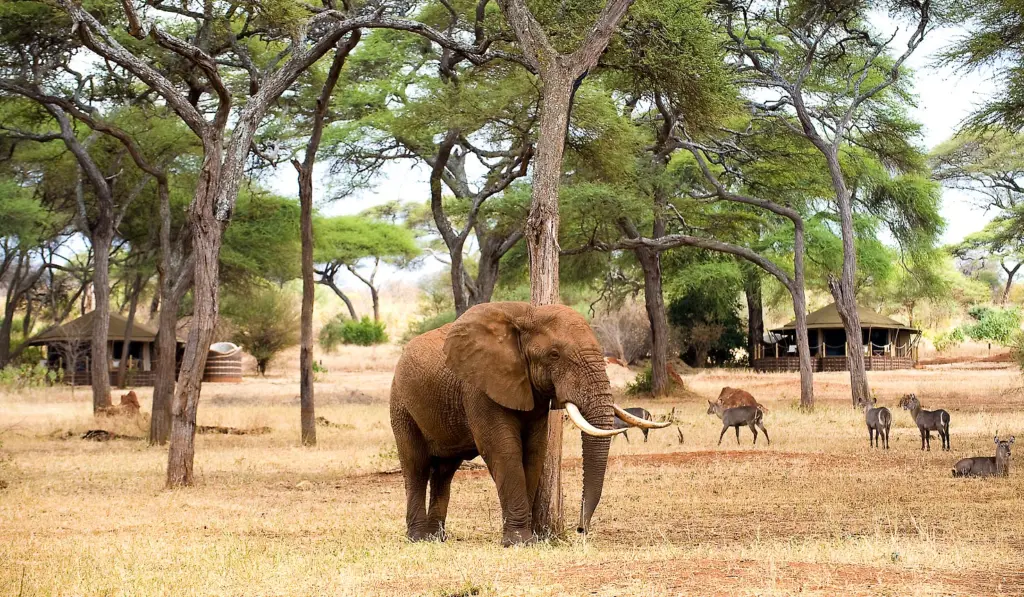
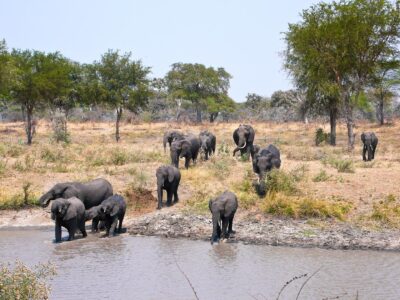
- Days 2–3: Tarangire National Park, for its elephant herds and baobabs.
- Day 4: A full morning on the floor of the Ngorongoro Crater, the best place in Tanzania for black rhino.
- Days 5–7: Three nights in the Serengeti National Park, placed where the herds and predators are that season.
- Day 8: A short flight back to Arusha for your international departure.
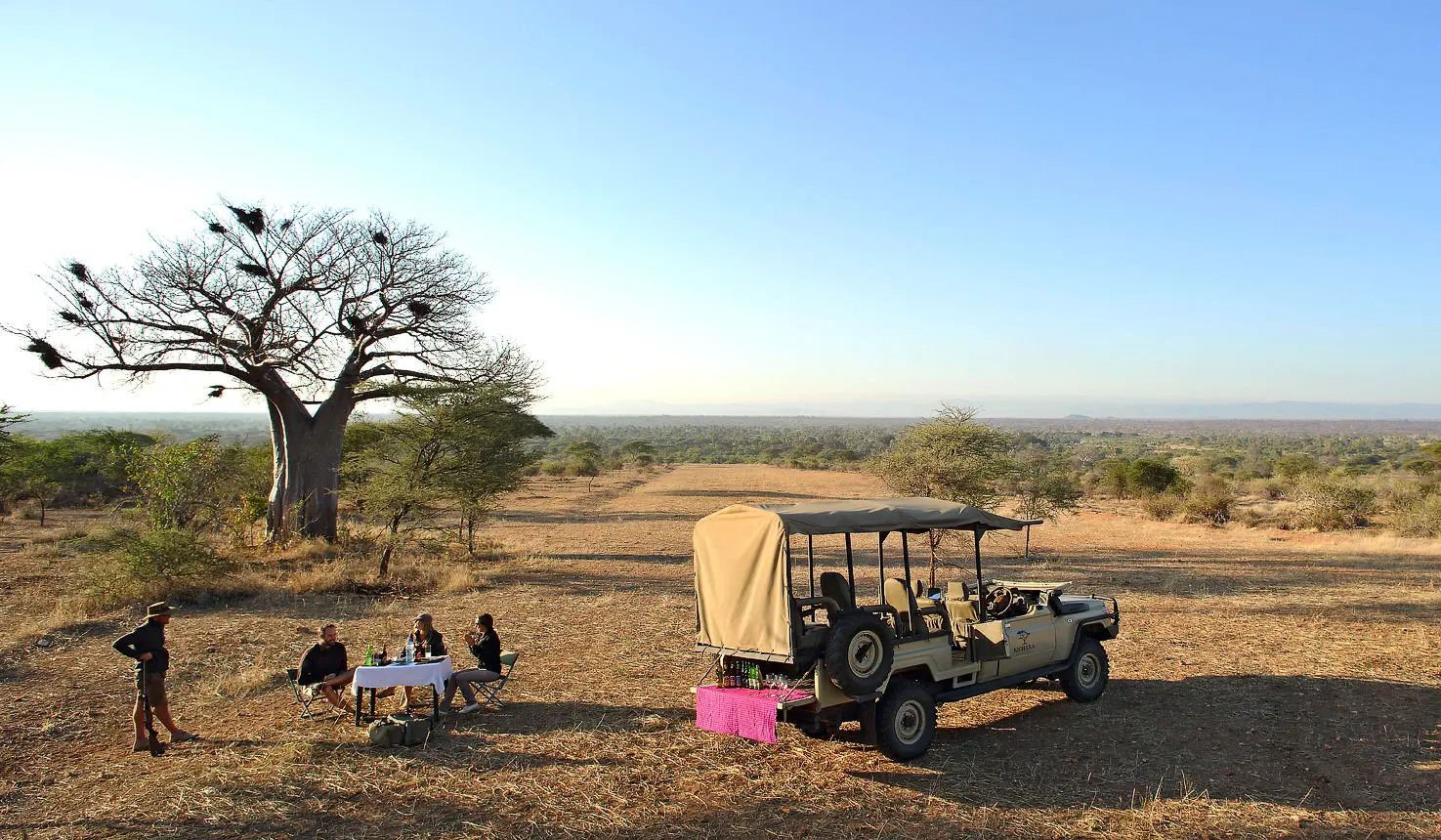
Three Serengeti nights is the detail that matters. It gives your guide two full days to read the plains, wait at a kopje for a leopard, or stay with a lion pride as long as you like. On a private Tanzania safari, with your own vehicle and guide, that freedom is the point.
Nine to ten days: follow the Great Migration
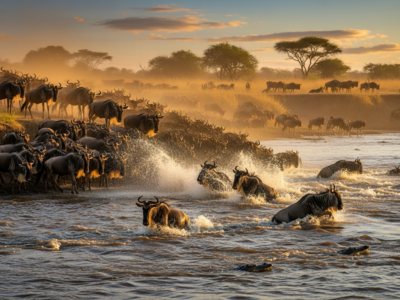
Add two or three days and the safari changes character. Instead of one Serengeti camp, you stay in two: one in the central plains and one wherever the migration is. Over two million wildebeest move through this ecosystem each year, and their route shifts with the rains.
- July to October: The herds reach the northern Serengeti and cross the Mara River. Our 9-Day Mara River Crossing & Serengeti Migration Safari flies you north to spend your final days near the crossing points.
- December to March: The herds gather on the short-grass plains of the south for the calving season. Our Southern Serengeti Migration Safari spends eight days following them.
Our Great Migration safari page has the migration month by month, and Best Time to Visit Tanzania explains how the seasons shape the rest of the trip.
Twelve to fourteen days: add the beach, Kenya or the mountain
With two weeks, you can pair the safari with something entirely different.
- Zanzibar. Light aircraft fly from Seronera straight to Zanzibar in the late morning, landing in the early afternoon (Coastal Aviation timetable). Four or five nights on the coast is the right balance after a week of early starts, and a favourite ending for a Tanzania honeymoon safari.
- Kenya. The Masai Mara is the northern half of the same ecosystem. Our 10-Day Signature East Africa Safari and 15-Day Grand Kenya & Tanzania Safari cross the border for both.
- Southern Tanzania. For a second safari, Ruaha and Nyerere add walking and boat safaris in country that sees few other vehicles.
- Kilimanjaro. A climb takes six to eight days on its own. Kilimanjaro Climbing Routes Compared helps you pick a route; add three or four days of safari afterwards to rest your legs.
How to choose the right length for you
Four questions settle it for most of our guests.
- Is this your first safari? Choose seven days or more. First safaris are about the big picture: plains game, cats, elephants, the Crater.
- Are you travelling with children? Plan shorter driving days and more nights in each camp, which usually means eight days rather than six. Our Tanzania family safari page sets out the pace that works for different ages.
- Is the migration the reason you are going? Then choose nine or ten days, and choose your month first.
- Would you rather fly than drive? Flying between parks saves a day or more on a ten-day trip, and turns a long road transfer into an hour in the air.
Does a longer safari cost more?
In total, yes. Per day, often not. Long trips spread the fixed costs, such as arrival nights and internal flights, across more days, and some camps offer better rates for longer stays. How Much Does a Tanzania Safari Cost? breaks the price down by season and by camp.
You can see the length and starting price of every itinerary on our Tanzania safaris page.
Frequently asked questions
Is five days enough for a Tanzania safari?
Five days is enough for Tarangire, the Ngorongoro Crater and one night in the Serengeti, or for a fly-in trip to one excellent camp. It is not enough to follow the migration. If you can find two more days, take them.
How many days should you spend in the Serengeti?
Three nights at the least. That gives you two full days on the plains, which is what it takes to find the predators and the herds. During the migration, four or five nights split across two camps is better still.
Can you see the Big Five on a seven-day safari?
Often, yes. The Ngorongoro Crater is home to black rhino, the hardest of the five to find, and the Serengeti is strong for lion, leopard, elephant and buffalo. No guide can promise a sighting, but seven days gives you a very good chance.
How many days should I add for Zanzibar?
Four or five nights. Two feels rushed after the flight, and more than a week suits only those who want a true beach holiday.
Do I need a night in Arusha before the safari?
Yes, in almost every case. Most international flights land at Kilimanjaro International Airport in the evening, about an hour’s drive from Arusha. One night’s rest means your first game drive starts fresh.
Plan your safari around your dates
Tell us when you can travel and who is coming. A Tanzania specialist will reply personally, usually within a day, with a private itinerary of the right length and a clear price. Start planning your safari.