+255 784 818 959
info@exclusivewildernesstrails.com

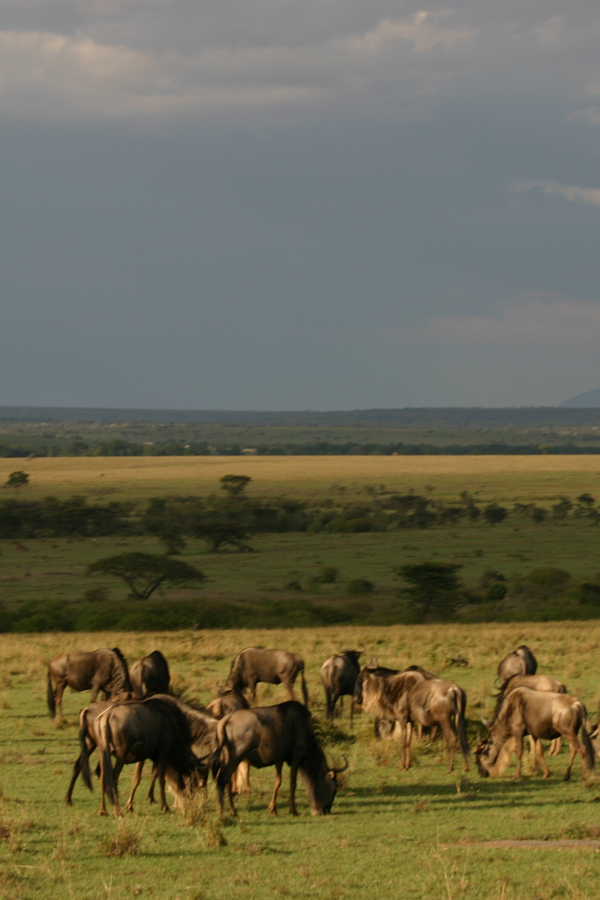
This 8-day Tanzania safari is expertly designed for the Calving Season in the Southern Serengeti and Ndutu plains. Witness one of nature’s greatest events, where over 8,000 wildebeest calves are born daily, drawing Africa’s most powerful predators—lions, cheetahs, and hyenas—into a dramatic display of survival.
Kilimanjaro International Airport (JRO)
3 Hours Before Flight Time
This isn’t just a game drive; it’s a front-row seat to the most critical stage of the Great Migration. From the lush volcanic soils of the south to the dramatic walls of the Ngorongoro Crater, expect an 8-day journey that balances intense nature with the soul-stirring beauty of the African wilderness.
During this 8-day expedition, you are stepping into the heart of the Great Migration’s calving season (typically January to March). Expect a raw, high-energy atmosphere where the quiet of the plains is broken by the sounds of thousands of newborn calves and the tactical movements of the world’s top predators.
Upon arrival at Kilimanjaro International Airport (JRO), you will be warmly welcomed by your private safari guide. The transfer to Arusha offers your first glimpse of Tanzanian life, passing vibrant coffee plantations, roadside markets, and the silhouette of Mount Meru.
The Vibe: Relaxation and anticipation. Tonight, you receive a detailed briefing on the upcoming adventure and the dynamics of the calving season.
After an early breakfast, depart for Tarangire National Park, famous for its high density of elephants and iconic Baobab trees. The Tarangire River acts as a magnet for wildlife. You will witness elephant families digging in riverbeds, giraffes browsing acacia, and perhaps lions resting in the shade.
Today is dedicated to a slower, more immersive safari rhythm. We explore the remoter sectors of Tarangire to observe behavioral nuances—baboon troops navigating the canopy, elephants interacting in matriarchal herds, and diverse birdlife including hornbills and lilac-breasted rollers.
Depart Tarangire and drive towards the Ngorongoro Conservation Area, descending onto the vast short-grass plains of Ndutu. This is the epicenter of the Great Migration during the calving season. The sheer scale of the herds becomes apparent—wildebeest stretch to the horizon.
A full day dedicated to the Southern Serengeti ecosystem. We follow the herds across the plains. Calving happens continuously; within minutes of birth, a calf must learn to run. This vulnerability attracts high concentrations of predators.
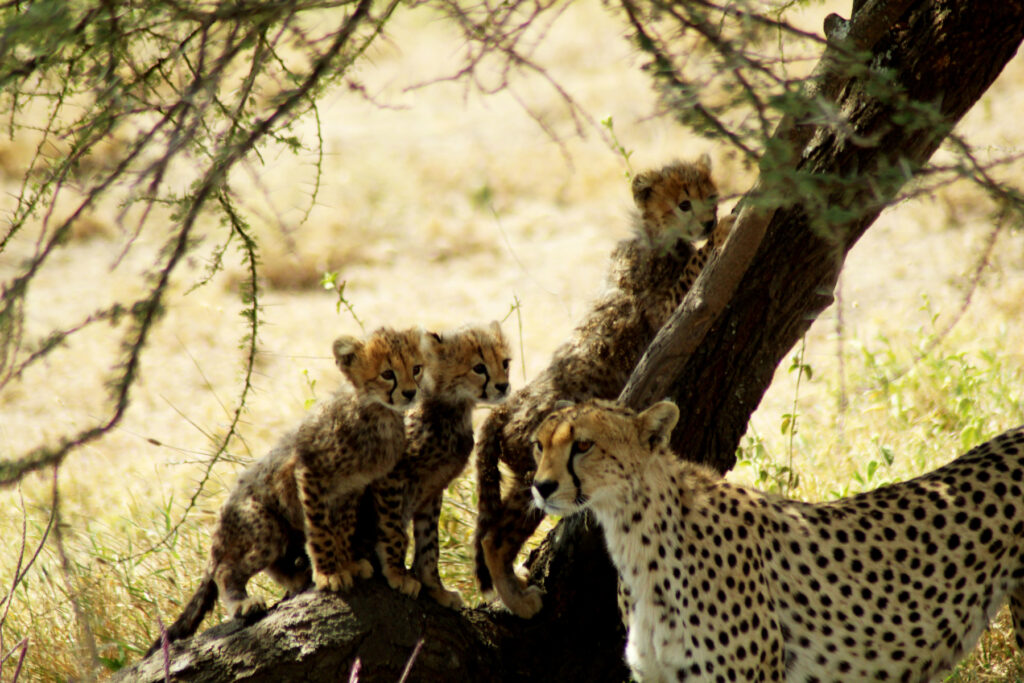
Another full day in Ndutu allows us to track the Big Cats. This region is renowned for its cheetah population, which thrives on the open flatlands. We may also spot bat-eared foxes, serval cats, and hyena clans coordinating their movements.
We ascend from the plains to the rim of the Ngorongoro Crater, a UNESCO World Heritage Site. Descending 600 meters to the crater floor, we enter a “lost world.” The enclosed ecosystem supports a permanent population of approximately 25,000 large animals.
After a leisurely breakfast, enjoy the scenic drive back through the fertile highlands and rural villages to Arusha. Depending on your flight schedule, you may have time for a hot lunch or last-minute souvenir shopping before your drop-off at Kilimanjaro International Airport.